Laser Treatments vs. Home Remedies – What Works Best?

Confused between DIY remedies and professional laser treatments? Find out what really works for healthy, glowing skin.

Why Finasteride Stops Working for Many Patients: Understanding Tolerance and Proper Usage

Many people become frustrated when their hair keeps falling even on finasteride, the usually recommended medication for hair loss. This usually results from tolerance, a disorder whereby the body loses sensitivity to the same dosage of medicine over time. Most patients are sadly uninformed about this or the correct manner to utilize finasteride, which results in false expectations and disappointment.

Dr. Shail Gupta, Founder and Chief Hair Transplant Surgeon at Satya Skin & Hair Solutions, explains why this happens and the best way to manage medications like finasteride for sustainable results.

The Misguided Expectations Around Finasteride

Finistride

1. Patients Think Medication Will Work Indefinitely

  • Many people believe that finasteride will keep improving their hair indefinitely.
  • They assume the medication will continue to work without any adjustments, which is not true due to tolerance.

2. Stopping Medication Too Soon

  • Some patients think they can stop finasteride after seeing initial results.
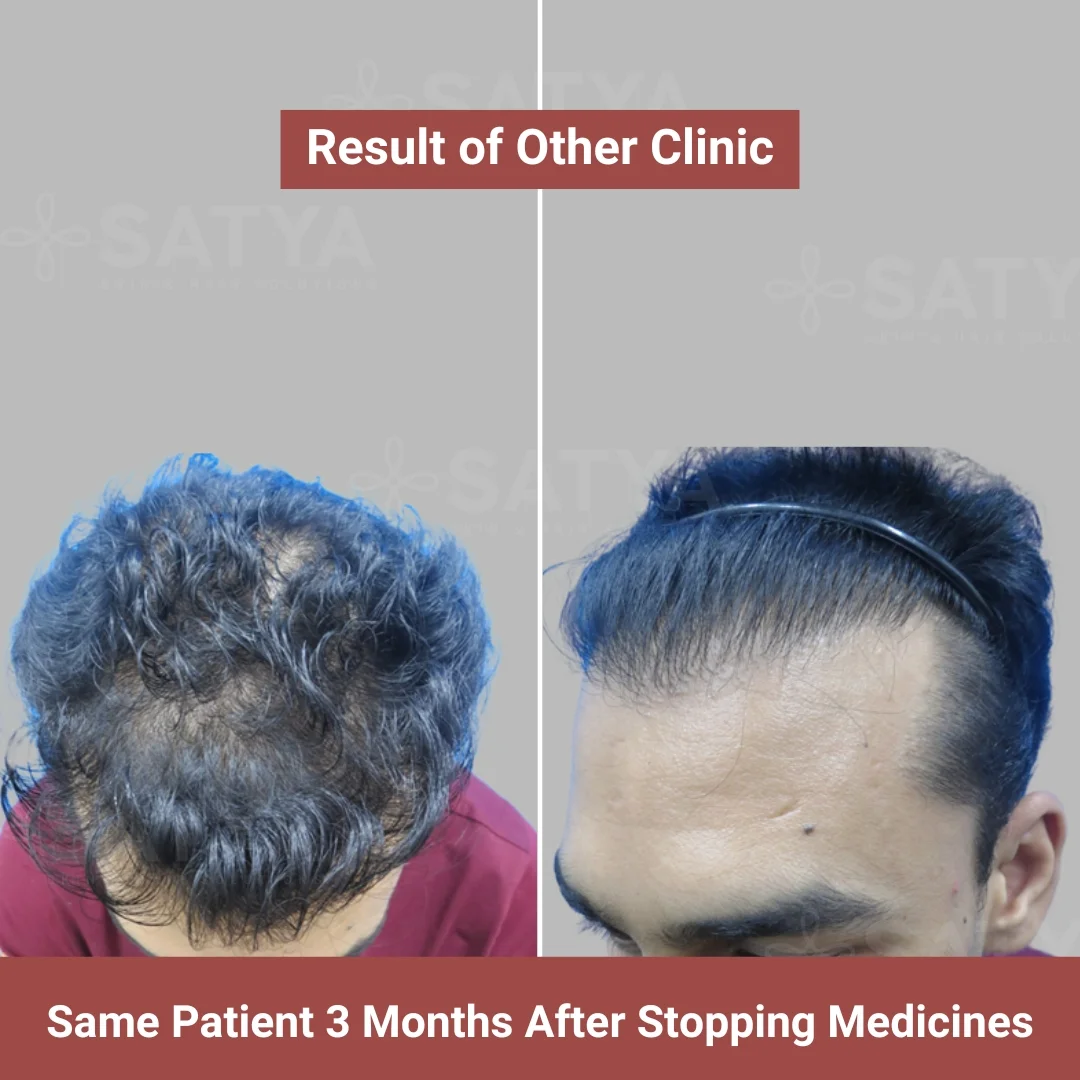
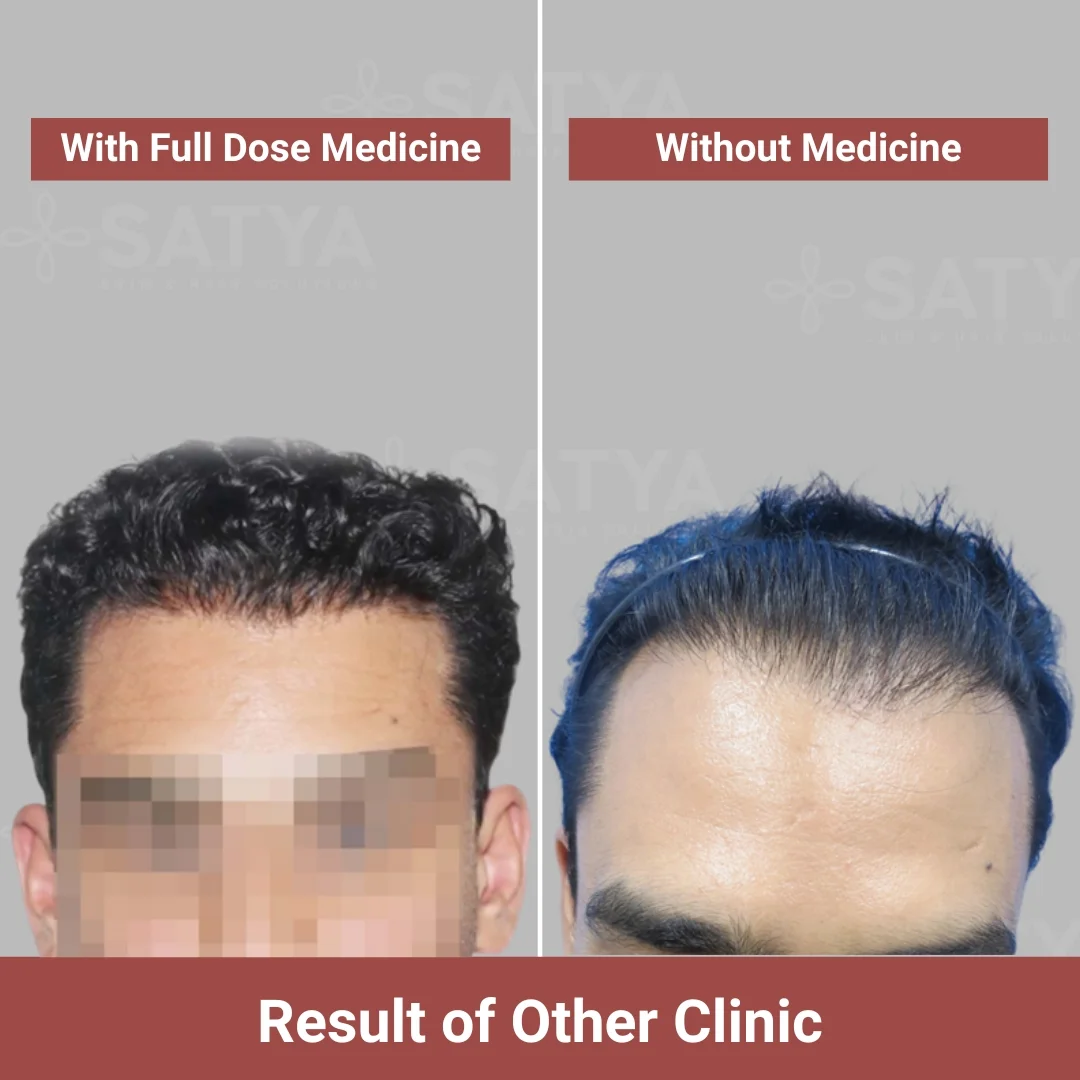
  • Hair thinning resumes as soon as the medication is stopped, leading to dissatisfaction and regret.

3. Uninformed Use
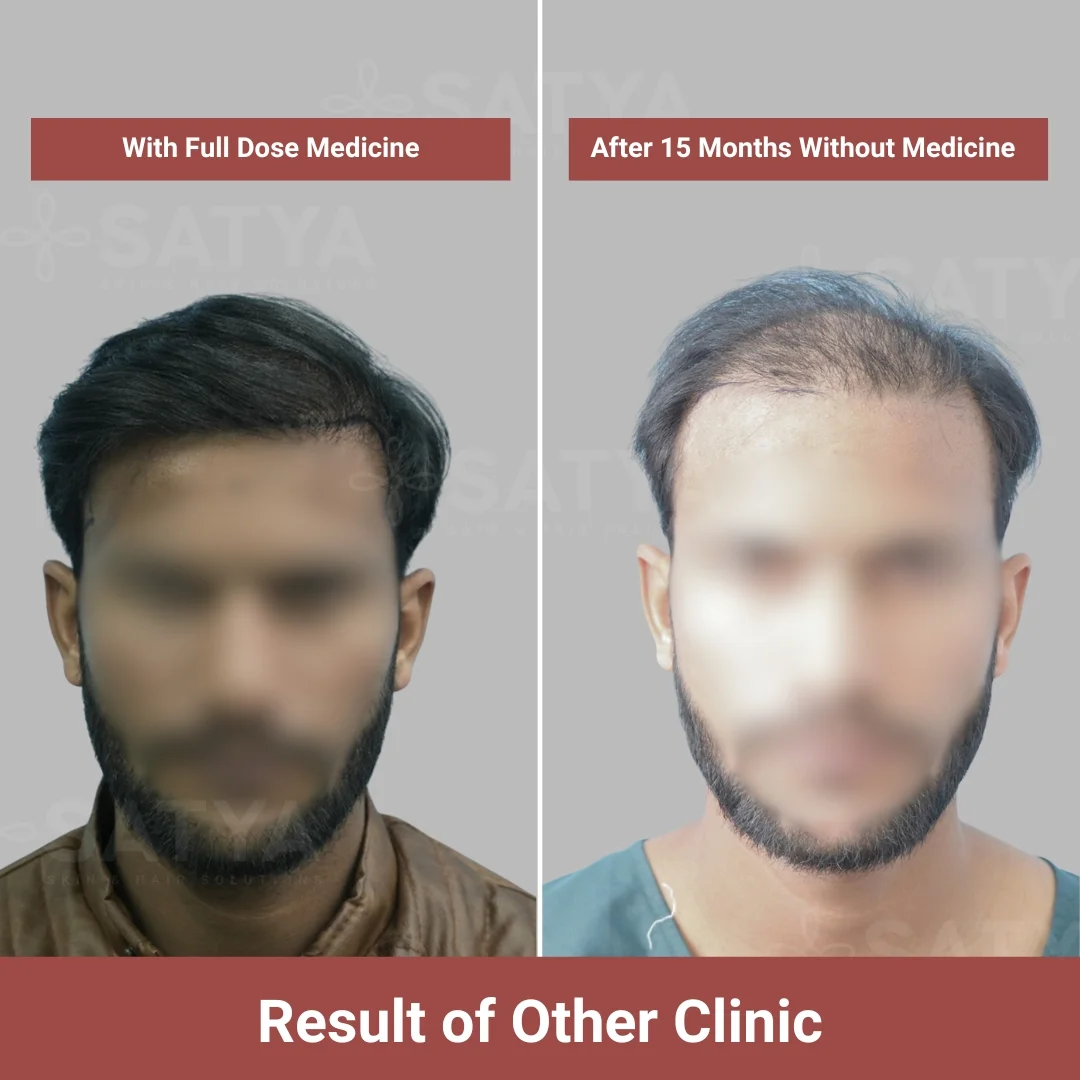
Patients are left unaware of how tolerance develops or the need for proper dosage adjustments.

Most clinics prescribe finasteride without educating patients about its limitations or long-term effects.

Medicine gone, Result gone!

  1. What Is Tolerance and How Does It Affect Finasteride?

    • Tolerance results from the same dosage of medication not producing the same effects over time.
    • In the case of finasteride, the body adjusts, hence the medicine is less efficient in suppressing DHT, the hormone causing hair loss.
    • The dosage may have to be raised in order to preserve results, therefore raising the side effect risk.

    Why Starting With a Smaller Dose Is Crucial

    Dr. Shail Gupta emphasizes that the best approach to medications like finasteride is to:

    • Start with the smallest possible dose to minimize dependency and side effects.
    • Titrate the dosage gradually to achieve a balance where hair thinning is significantly reduced without overloading the body.
    • Avoid going directly to full doses unless absolutely necessary, as this leaves no room for adjustments if tolerance develops.

    Challenges of Transplants for Patients Already on Full Doses

    For patients who are already taking full doses of finasteride:

    1. Limited Room for Improvement:


      • The additional benefit of medication is already maximized, leaving little to boost the transplant’s success unless the dose is increased, which heightens risks.
    2. Increased Health Risks:


      • Upping the dose of finasteride in such cases can lead to significant side effects, including hormonal imbalances.
    3. False Expectations:


      • Patients often mistake the medication’s contribution for the surgeon’s skill, leading to disappointment if the medication stops working or is discontinued.

The Endless Loop of Celebrity Transplants

A Word of Wisdom from Dr. Shaiil Gupta, MD

“The truth is, hair restoration is not about shortcuts or instant glorification. It’s about skill, honesty, and long-term planning. At Satya, we empower our patients with knowledge, helping them make informed decisions for results that are both natural and lasting.”

Conclusion

Celebrity endorsements may look impressive, but they often hide the reality of failed planning and unsustainable results. By choosing an ethical approach and prioritizing your health, you can achieve a hair transplant that truly stands the test of time.

🔗 KNOW YOUR CUSTOMIZED GRAFTS & MEDICINE DOSAGE
Choose natural, long-lasting results with minimal health risks. Contact Satya today for a consultation.

Know the secrets of long lasting results

Why Choose Satya?

20+ Years of Expertise – Renowned in dermatology and hair restoration with a legacy of excellence.


Globally Accredited – Affiliated with the American Academy of Aesthetic Medicine.


Tailored Treatments – Personalized care crafted to suit your unique needs.


World-Class Facilities – State-of-the-art laser and surgical technology. –

Specialists in Corrective Treatments – Experts in resolving unsatisfactory results from other clinics.


265,000+ Satisfied Patients – Trusted worldwide for successful outcomes and client satisfaction.

Comprehensive Care – From skin lasers to advanced hair restoration under one roof.


Ethical & Patient-Centric – Transparency and patient well-being are our priorities.

Google Reviews

Frequently Asked Questions

Medications such as minoxidil and finasteride can help to improve density and sustain already shrunken hair, therefore enhancing transplant results. Still, depending just on medicine could cause unwanted effects over time and produce only transient benefits.
Yes, but depending on how bad your hair loss is now. Ethical clinics such as Satya Skin & Hair Solutions utilize minimal medications to ensure long-lasting effects without encouraging lifetime reliance.
Medication use throughout a lifetime might cause tolerance, in which case more doses are required for the same result. This raises the possibility of hormone abnormalities, scalp irritation, and other medical problems.
Certain clinics utilize medications to boost temporary outcomes, therefore creating the impression of density and success. This sometimes misleads patients, nevertheless, and covers overharvested donor locations or inadequate surgical ability.
Stopping medications can cause already shrunken hair to fall out, hence lowering the density. Still, the transplanted hair will not change as long as the transplant is carried out ethically.
Satya Skin & Hair Solutions’ MIN-MED Approach™ ensures patient safety and wellness while stressing low medicine use for long-term, natural results.
Transplanted hair is permanent; treated natural hair may thin over time. Minimal medication or alternatives like micro-dosing may be required for density maintenance, ethical clinics will explain.
Profit-driven unethical clinics schedule needless PRP sessions. After one or two treatments, PRP advantages level off; repeated sessions might cause scalp trauma without yielding any improvement.
Surely. Using balanced transplant techniques and micro-dosing methods, ethical clinics like Satya Skin & Hair Solutions help to lower medication reliance while maintaining outcomes.
A trustworthy clinic will give long-term outcomes, donor preservation, and ethical drug use first priority. Steer clear of facilities pushing lifetime drugs, overpromised PRP treatments, or temporary outcomes.

Written by Dr. Shaiil Gupta MD

Internationally trained hair restoration expert with 20+ years of experience in advanced transplant techniques.