How to Choose the Right Skin Treatment for You

Not sure which treatment fits your needs? Here’s a guide to help you choose the best option for your skin type.

What Is the Cost of 4000 Grafts in Hair Transplant?

Among the most often-asked questions we get at Satya Skin & Hair Solutions are::
What would 4000 grafts cost for a hair transplant at your clinic?

While it might seem like a simple matter, the truth is that there is much more to think about than only the cost. The emphasis should be on not only cost but also on whether you really need 4000 grafts, the method to be applied, and most significantly, the ethics and quality of the clinic.

“Hair restoration is not only about numbers,” Satya’s Founder and Chief Hair Transplant Surgeon, Dr. Shail Gupta says. Every patient is different so their treatment has to be tailored. Though cost is crucial, your health and long-term outcomes have more bearing.”

Do You Really Need 4000 Grafts?

First, consider whether you really need 4000 grafts before inquiring about the cost. The following explains:

  • Surgery May Require Fewer Grafts:
    • Clinics often recommend high graft numbers without assessing the donor area’s capacity or considering if it’s even possible to extract that many grafts.
    • This practice is driven by commercial interests rather than the patient’s needs.
    • Many patients can achieve their desired results with half the number of grafts or even less.
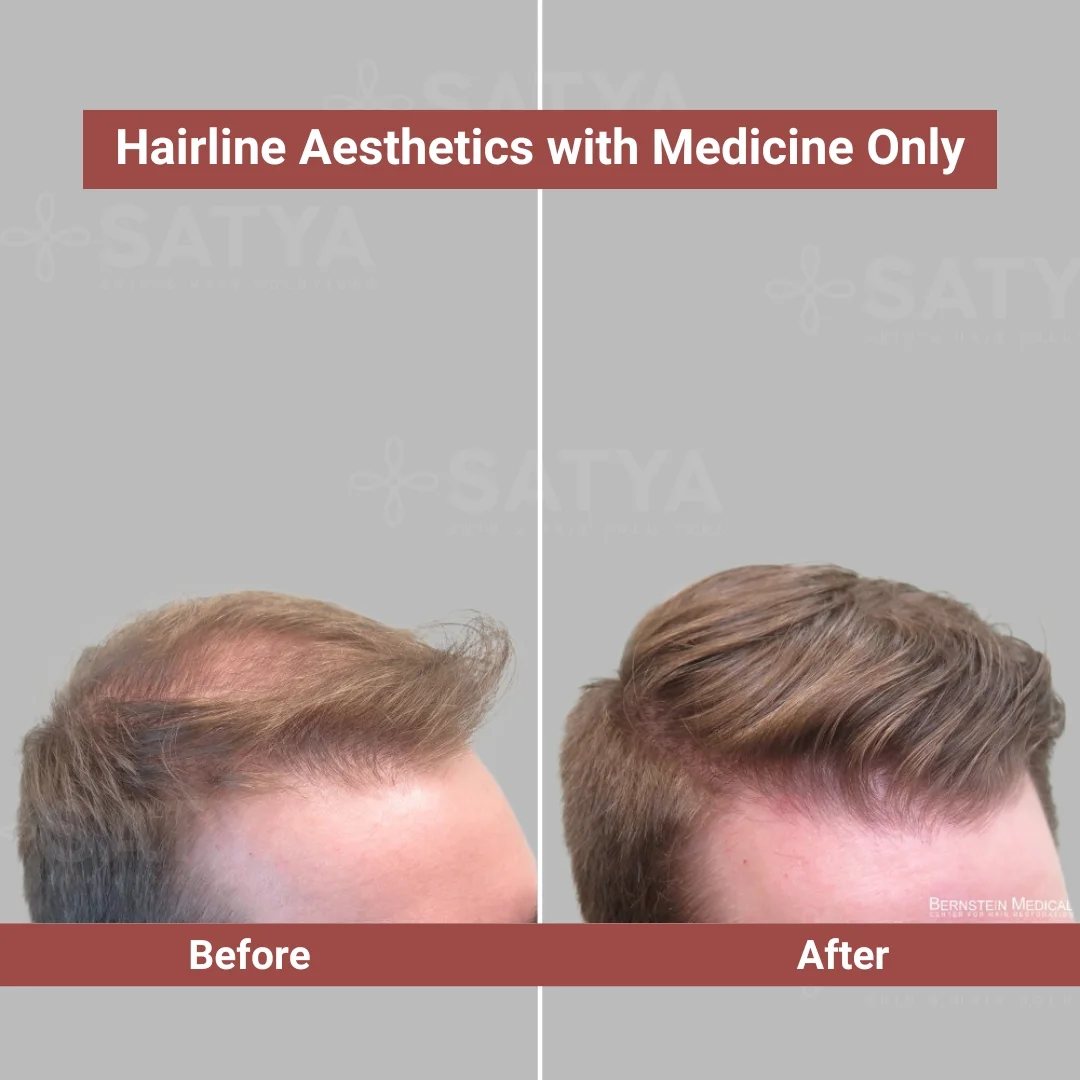
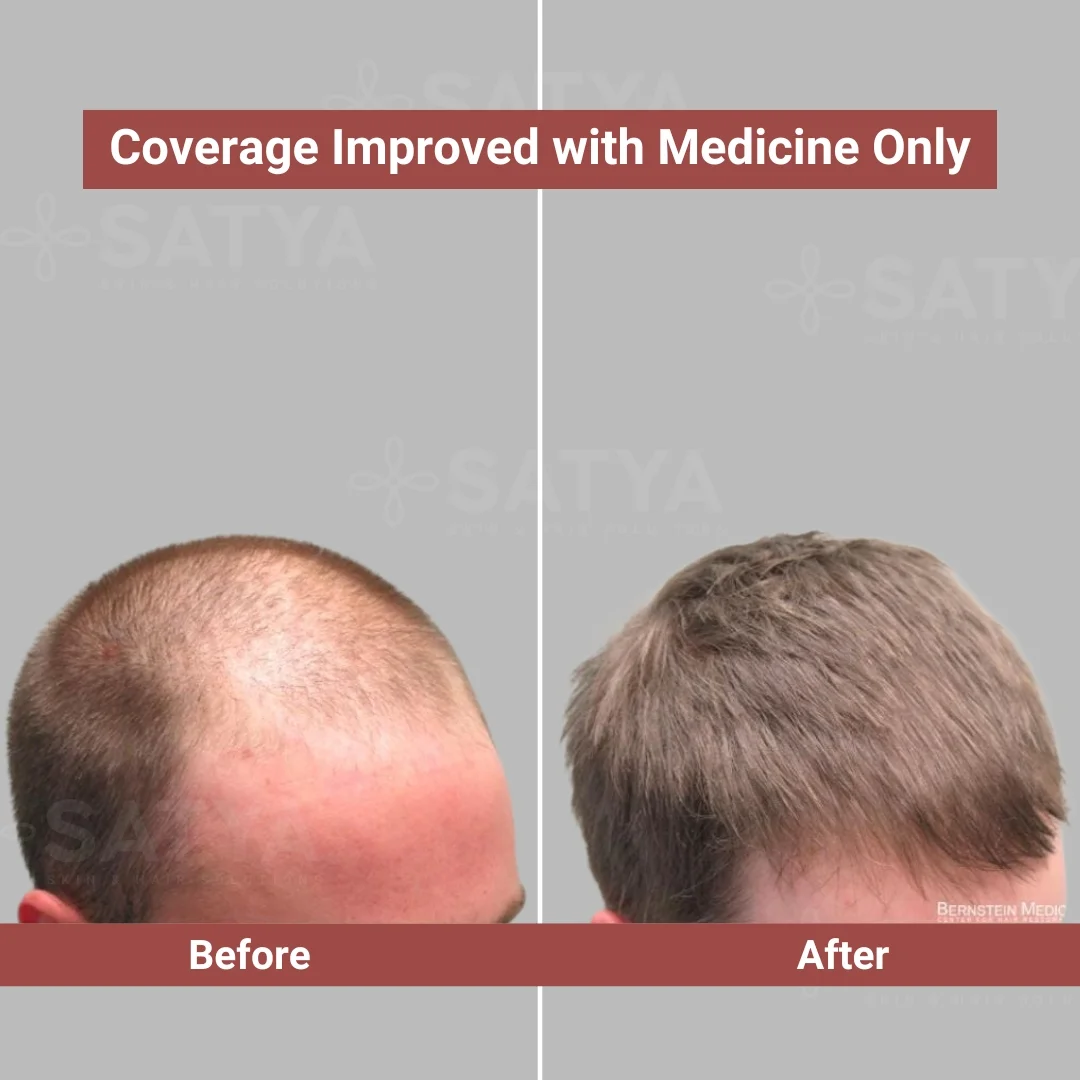
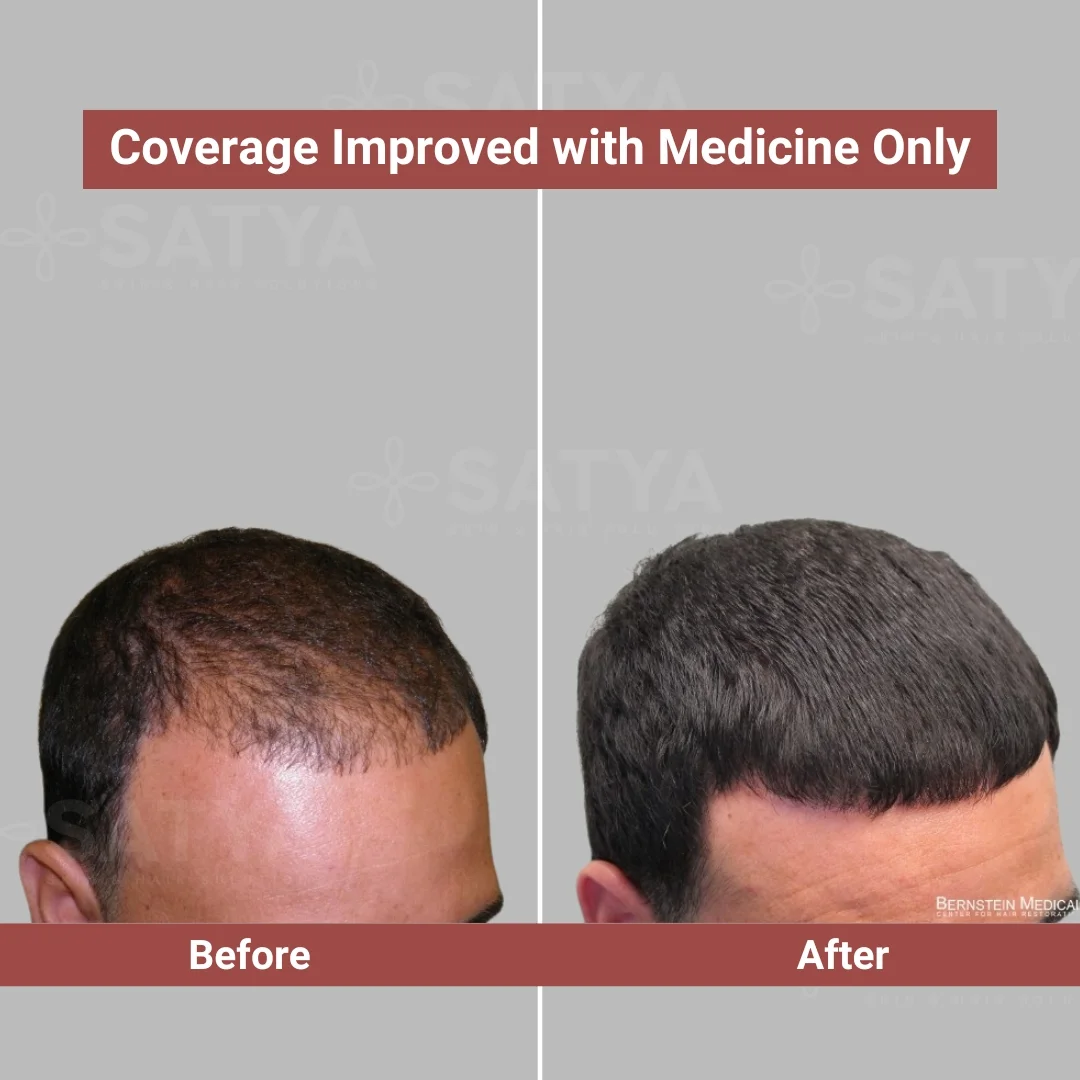
    • Sometimes, no surgery is needed at all, as medications can significantly improve hair density in certain cases.
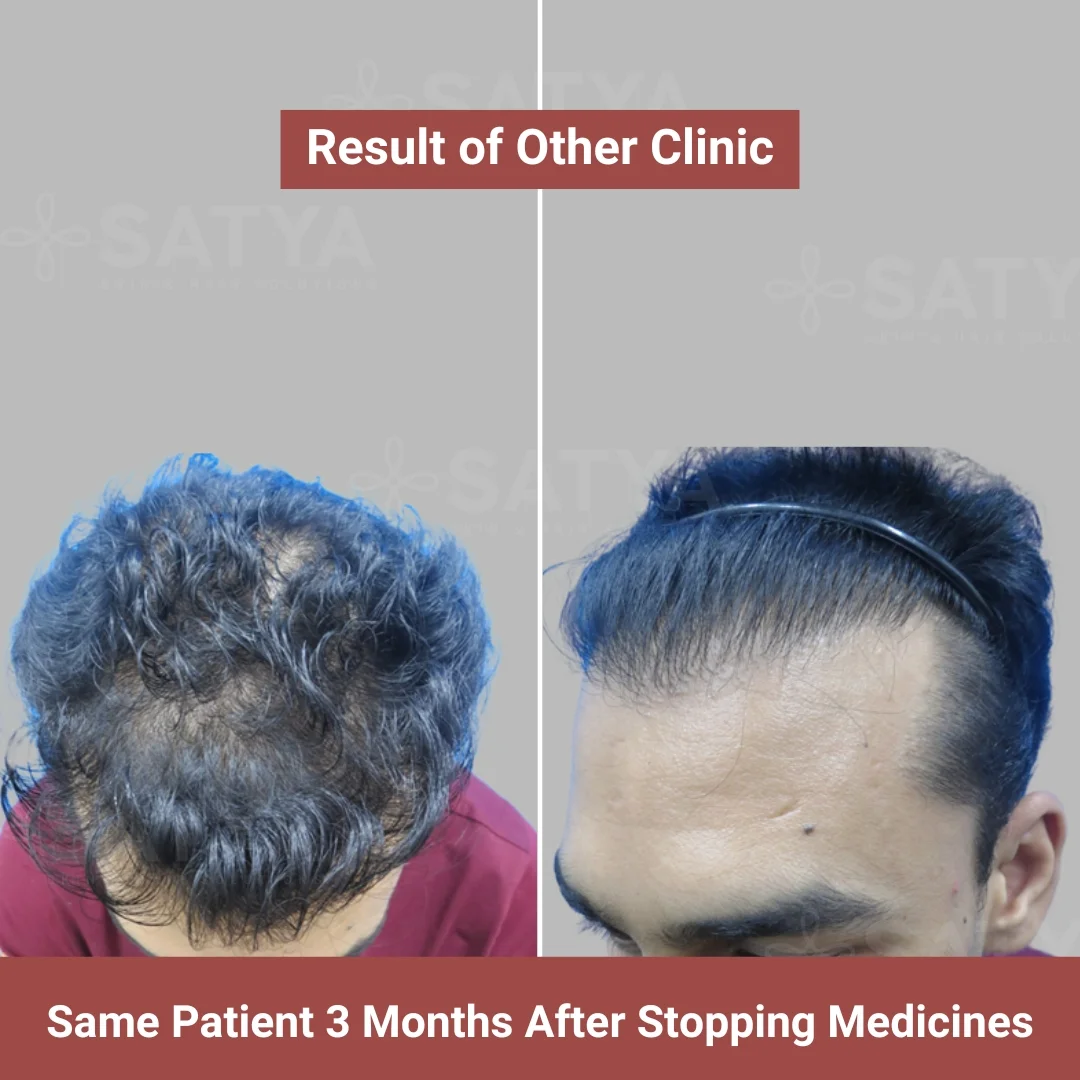
  • Case Study: Dr. Abhishek’s “Zero Graft Transplant”
    • Dr. Abhishek consulted a well-known clinic, famous for celebrity endorsements, and was advised to undergo an FUE transplant with 3500–4000 grafts along with 1 mg of finasteride daily.
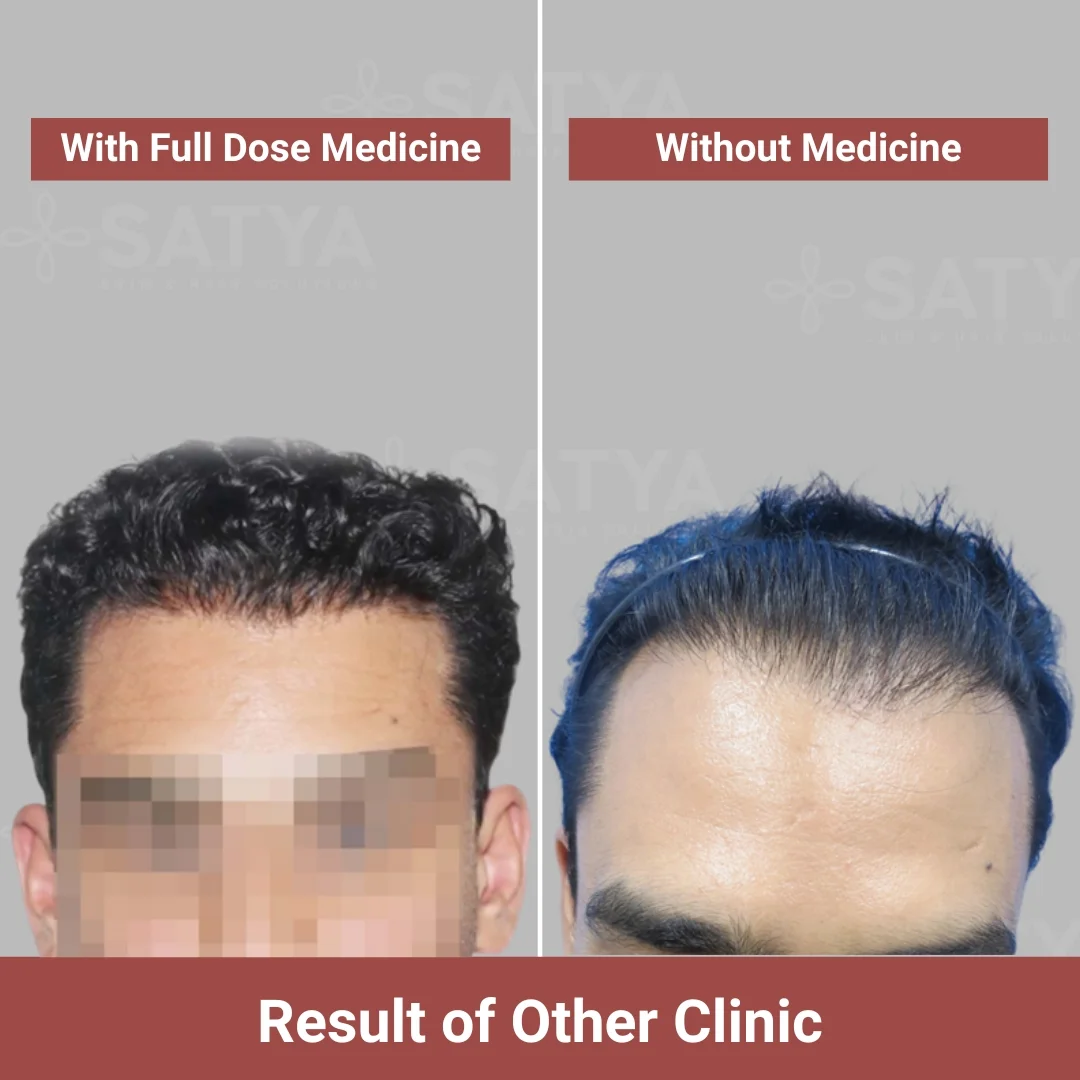
    • He decided to start with medications instead of surgery and experienced remarkable coverage within 3–4 months.
    • However, the side effects of the medication forced him to discontinue, leading to worsened hair loss.
    • This highlights the importance of customized treatment and ethical advice, something many clinics fail to provide.
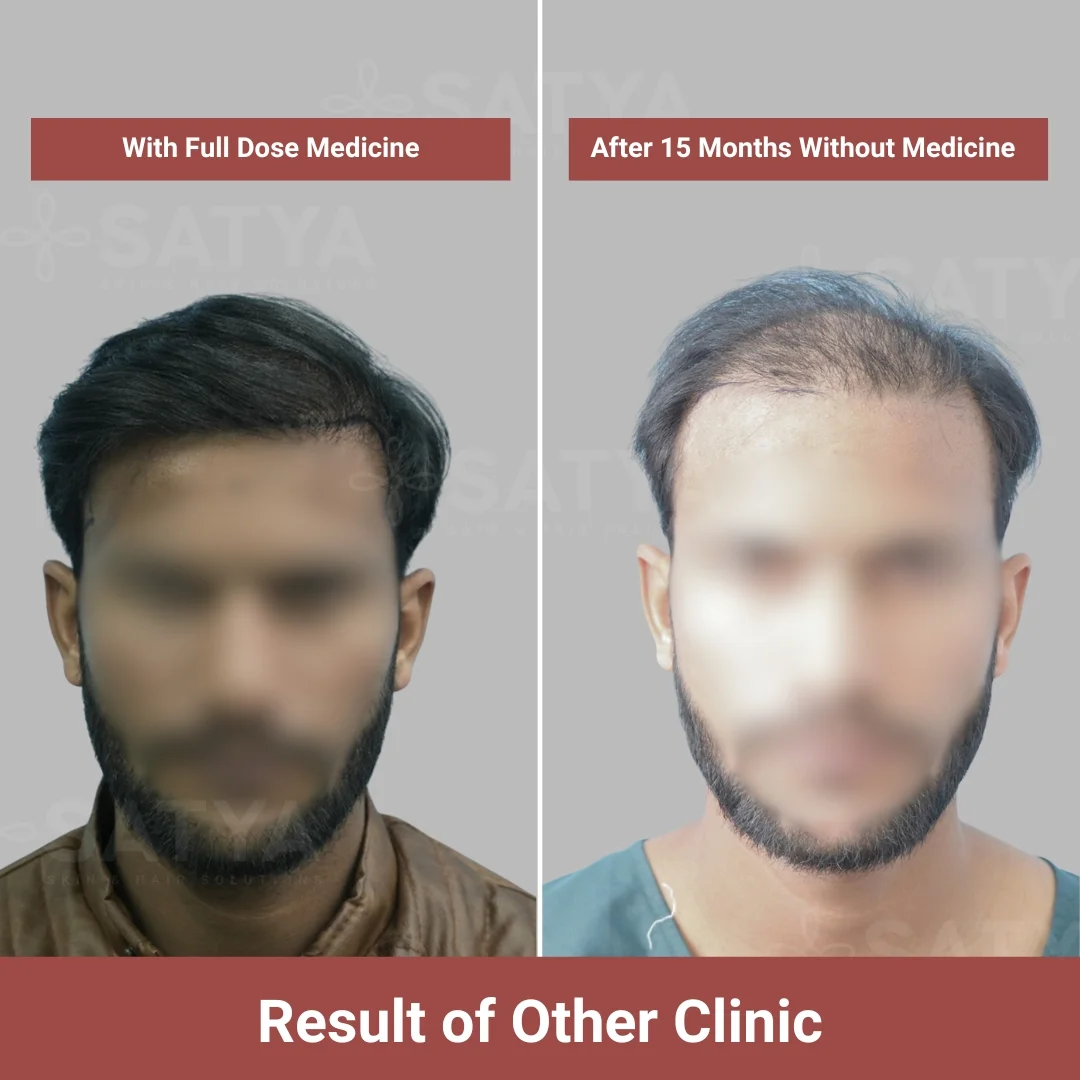
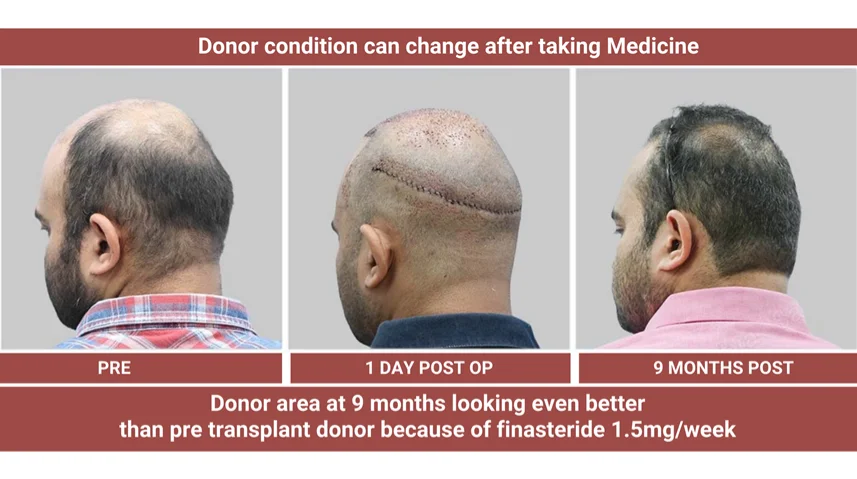
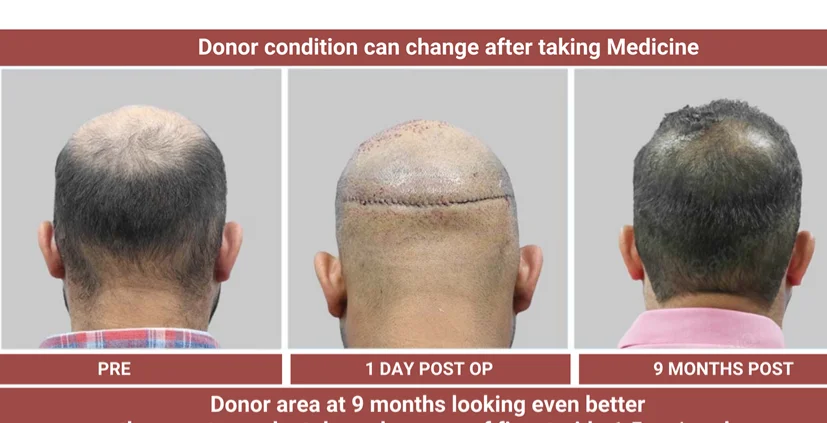
Medicine gone, Result gone!

  1. Over-Reliance on Medications:
    • Most celebrity transplants are not “pure” transplants but a combination of 80% medication results and 20% transplant results.
    • High doses of medication like finasteride initially make the results look spectacular but carry significant risks:
      • Tolerance Development: Over time, medications lose their effectiveness.
      • Increased Risks: Higher doses lead to potential side effects.
  2. Unethical Practices:
    • Clinics often prioritize marketing over patient health, using celebrities as tools to generate referrals.
    • Paid Endorsements: Celebrities are sometimes compensated for their “transplant results,” which are often propped up with heavy medication and cosmetic camouflage.
  3. Poor Planning:
    • Extracting grafts from unsafe donor zones using only FUE techniques.
    • Unnecessary lowering of hairlines.
    • Overusing donor hair without considering future progressive thinning.
    • Failing to educate the patient about the impact of stopping medications.
  4. 4. Camouflage Techniques:

      • Many celebrity results rely on concealers, powders, and professional styling. Without these, the true quality of the transplant is revealed, often leaving much to be desired.

THE ILLUSION OF MEDICINES IN HAIR TRANSPLANT

No transplant done, result of only medicine

The Endless Loop of Celebrity Transplants

Once the initial results fade:

  • Celebrities often become victims themselves, needing repeated transplants or relying entirely on medications.
  • The clinics move on to their next celebrity “ambassador,” repeating the cycle.

How to Avoid These Mistakes

Dr. Shaiil Gupta emphasizes that patients should focus on ethics, skill, and transparency over glamour and endorsements.

Key Takeaways for Patients

  1. Understand the Role of Medication:
    • Results that rely heavily on medications are not sustainable.
    • Consider micro-dosing options to minimize health risks and dependency.
  2. Choose Ethical Clinics:
    • Avoid clinics that rely on endorsements or marketing gimmicks.
    • Research clinics that prioritize your health, donor preservation, and long-term results.
  3. Plan for the Future:
    • Your donor area is a limited resource. Make sure it is used judiciously to ensure results last as your hair loss progresses.
  4. Don’t Be Swayed by Short-Term Results:
    • Transplants that look perfect in the first few months can fail within a year if not planned ethically.

Satya’s Ethical and Futuristic Approach

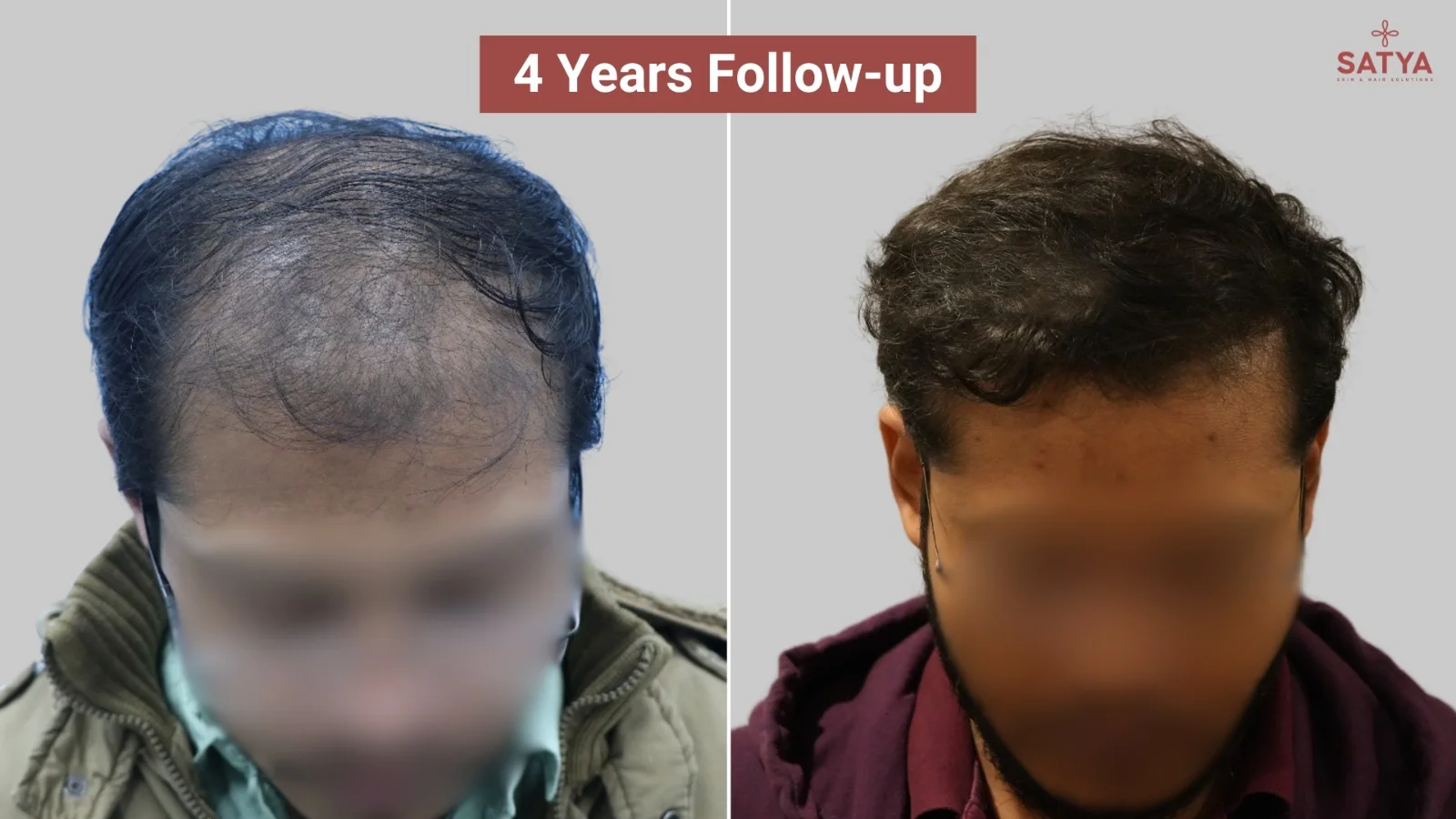
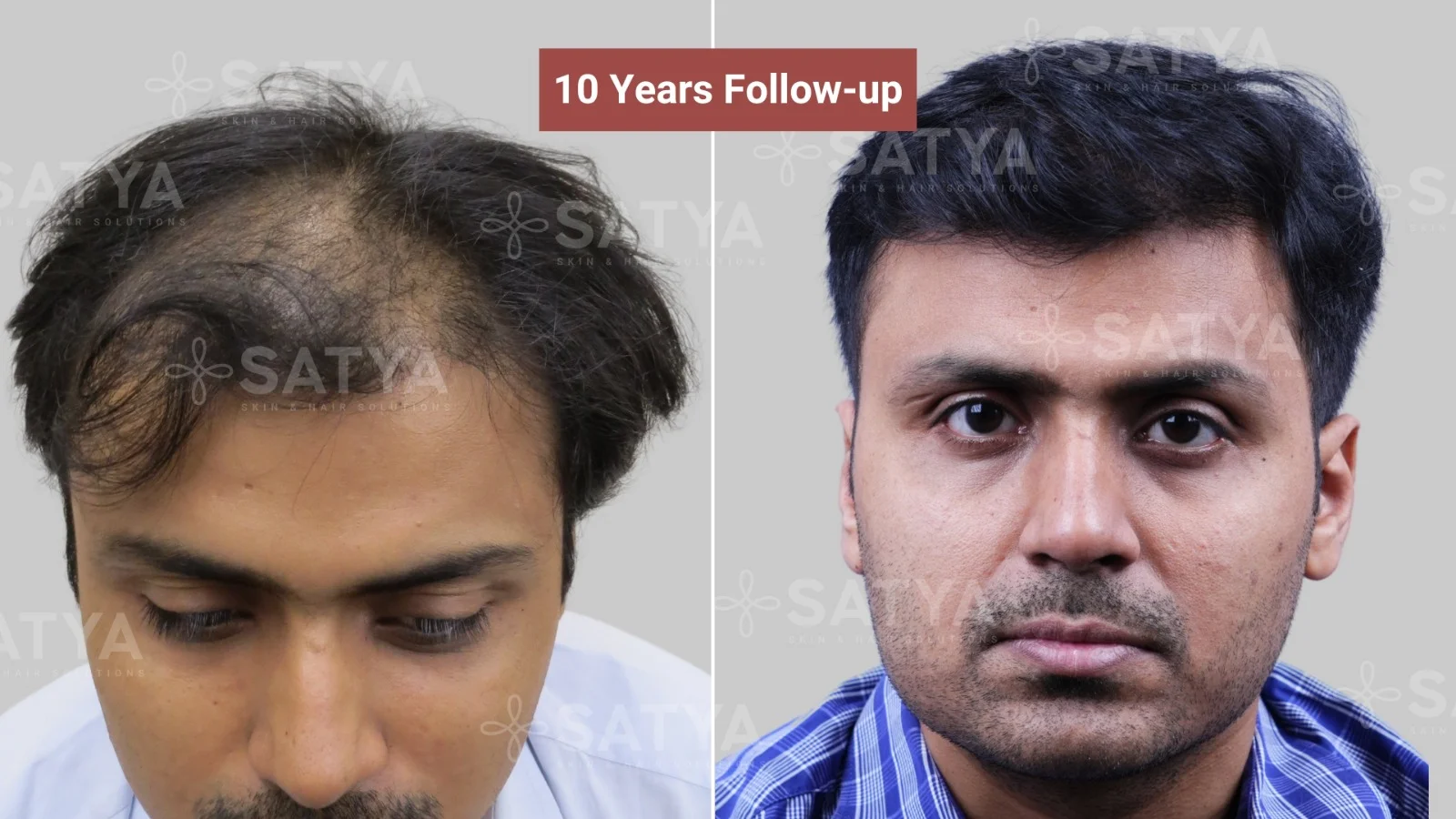
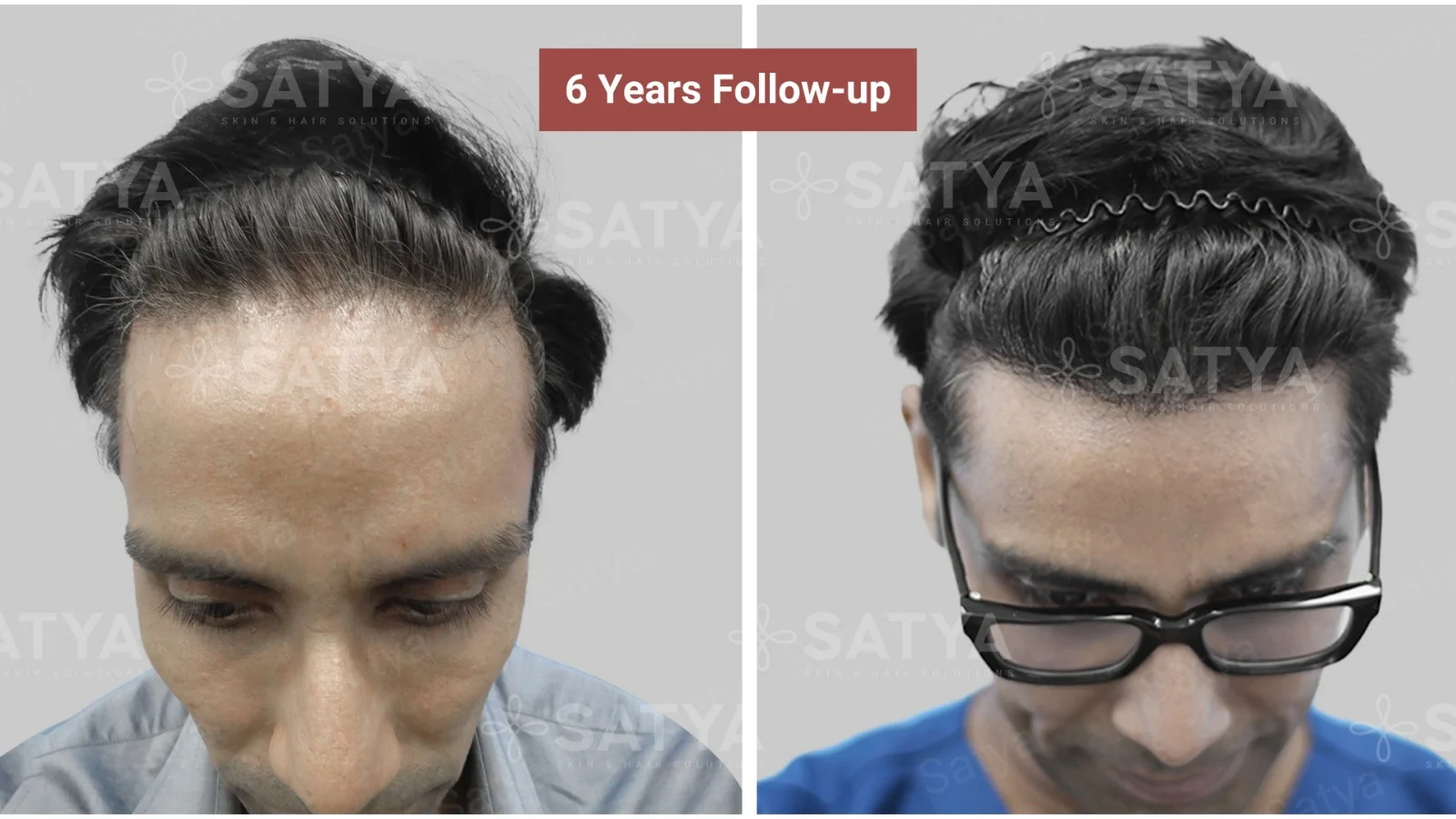
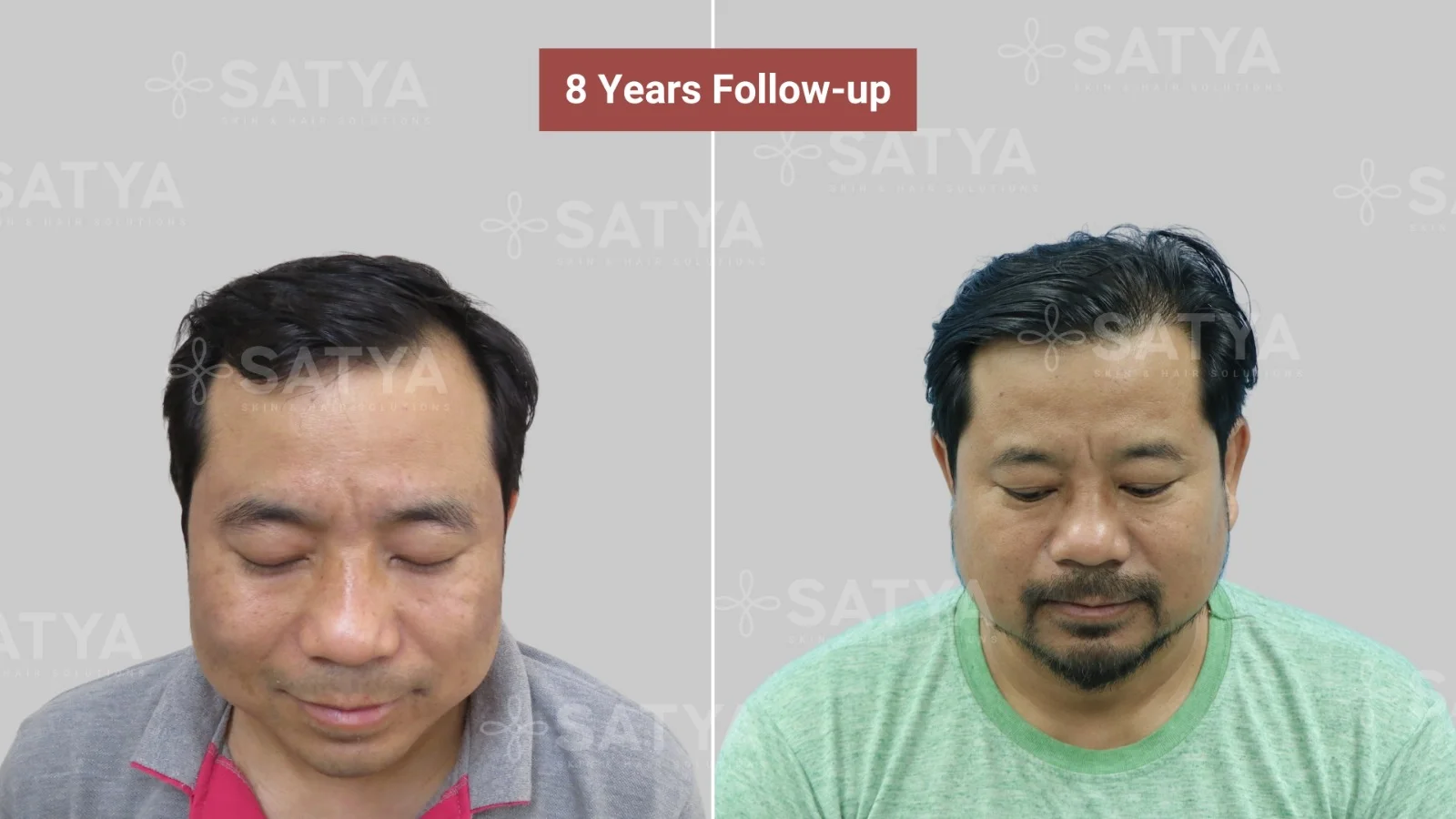
At Satya Skin & Hair Solutions, we have treated numerous patients who fell victim to poor planning and unethical practices. Our unique approaches have helped them achieve results that last.

CXarousel of patient

Why our results last long

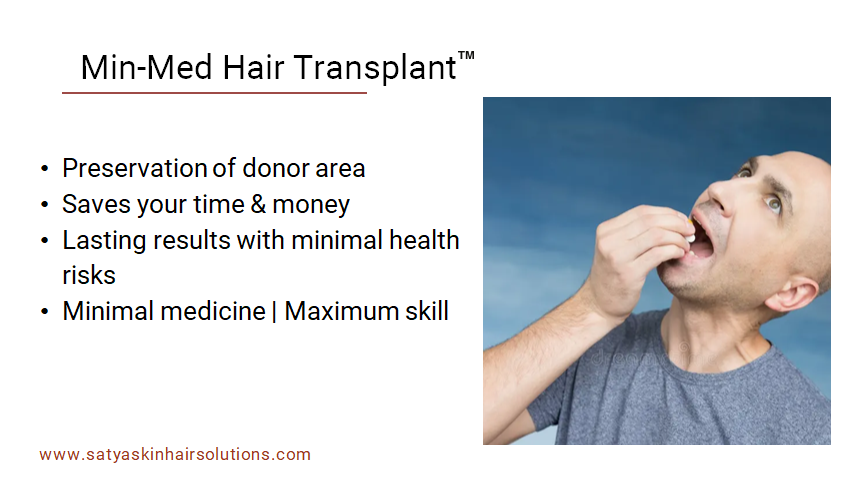
Satya’s MIN-MED Approach™

  • Minimal Medication Dependence: Starting with the lowest effective dose to minimize risks.
  • Long-Lasting Results: Focusing on the right balance of grafts and medications.
  • Effective Tolerance Management: Adjusting medications safely to ensure sustained outcomes.

Advantages of Satya’s Ethical Hair Transplant™

  1. Donor Preservation: Protect your donor area for future use as even transplanted hair can thin over time.
  2. Cost and Time Efficiency: No unnecessary PRP sessions or excessive medications, saving your time, money, and hair.
  3. Sustainable Results: Balanced hair transplants that last long, with minimal health risks.

A Word of Wisdom from Dr. Shaiil Gupta, MD

“The truth is, hair restoration is not about shortcuts or instant glorification. It’s about skill, honesty, and long-term planning. At Satya, we empower our patients with knowledge, helping them make informed decisions for results that are both natural and lasting.”

Conclusion

Celebrity endorsements may look impressive, but they often hide the reality of failed planning and unsustainable results. By choosing an ethical approach and prioritizing your health, you can achieve a hair transplant that truly stands the test of time.

🔗 KNOW YOUR CUSTOMIZED GRAFTS & MEDICINE DOSAGE
Choose natural, long-lasting results with minimal health risks. Contact Satya today for a consultation.

Know the secrets of long lasting results

Why Choose Satya?

20+ Years of Expertise: Leaders in dermatology and hair restoration.


Globally Accredited: Recognized by the American Academy of Aesthetic Medicine.


Personalized Care: Advanced treatments tailored to you.


State-of-the-Art Facilities: Cutting-edge technology for superior results.


Corrective Specialists: Fixing unsatisfactory treatments.

265,000+ Happy Patients: Trusted globally for excellence.

Comprehensive Care: Skin and hair solutions under one roof.

Ethical & Transparent: Your well-being comes first.

Google Reviews

Frequently Asked Questions

Clinic, location, and procedure applied all affect the cost of 4000 grafts. At Satya, the emphasis is on the surgeon’s knowledge and the optimal course of action to guarantee long-term value above shortcuts with minimal cost.
Your degree of baldness and donor area quality will determine it. Although 4000 grafts could cover a lot for advanced baldness, they might not be sufficient for complete restoration.
Yes, by using appropriate planning, technique, and medicine to encourage hair development, many patients get excellent outcomes with fewer grafts.
Yes, FUT is usually more affordable; FUE’s labor-intensive approach results in a higher price. Satya provides both approaches according to the patient’s demand.
Usually, hair transplant pricing is computed per graft. Still, the total cost can be influenced by things like the surgeon’s expertise, clinic reputation, and other procedures.
Often a marketing ploy is unlimited grafts. Since donor area capacity is limited, there is no such thing as infinite grafts; overharvesting can cause permanent injury.
Low-cost clinics could use incompetent personnel, compromise on quality, overharvest donor locations, and so produce poor outcomes and long-term regret.
At certain times, drugs such as minoxidil and finasteride might increase hair density and postpone surgery. Still, they cannot match the outcomes of a properly executed hair transplant.
Overharvesting depletes the donor area, thereby making future transplants difficult or impossible and causing obvious scarring.
While FUE is more labor-intensive and time-consuming and therefore more expensive, FUT costs less per graft since it entails a single incision.

Written by Dr. Shaiil Gupta MD

Internationally trained hair restoration expert with 20+ years of experience in advanced transplant techniques.